
Building Luxury: Moroso Construction’s Design Philosophy
Moroso Construction: One of San Francisco’s Top Luxury Home Builders
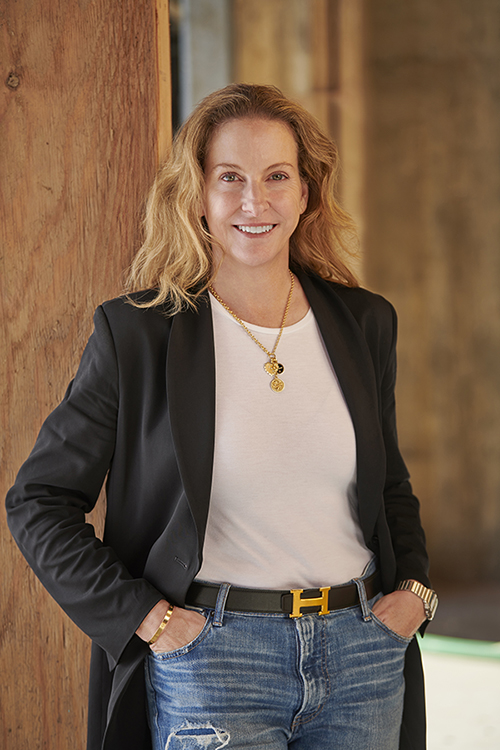
We are excited to highlight the work of San Francisco custom home builder, Moroso Construction, and their fearless leader Justine Sears. I’ve known Justine for many years, she has served as a mentor and inspiration in the industry – her annual Women in Construction happy hour is one of my favorite events of the year. Read on to learn about Justine and how she worked her way to becoming Co-Owner of one of the most successful high-end residential construction companies in the San Francisco Bay Area.
Tell us about yourself and your experience/background that led to becoming one of the only female owners of a high-end construction company in San Francisco.
My ethos and work ethic were instilled in me by my parents, whose dynamic, inspiring professional lives and strong sense of community were a model for my career and personal life. I knew I wanted to be involved in architecture and construction from an early age and was lucky to be mentored from the beginning by industry leaders who taught me to think creatively and to uphold best practices for planning, estimating and managing projects.
I began working in construction in 1994, joined Moroso in 2008 and in 2016 became an owner with my partner Ron Bond. We are proud of our company’s approach, culture, team, values and continued growth, and of the substantial, challenging residences and estates we’re entrusted to build. In my role as President of Moroso I develop relationships with clients, architects and interior designers, I run projects, and I lend my expertise and team leadership to the process. The knowledge and skills I gained from the earliest stages of my career are put to use every day as I guide our company in the pricing, negotiating and constructability of projects.
A constant in my work is to champion women in construction and associated fields and to lead by example in this regard. At Moroso our project management team is 80% female, and a great many of the collaborators running our projects from the architecture, design, engineering and owner’s representation sides are female. Throughout my personal career path the industry has been open to and accepting of women’s talents—I didn’t face discrimination or have my capacities overlooked, but it’s true that opportunities for women in construction were certainly fewer 30 years ago. While I may be one of the only female owners of a construction company, the industry has come a long way.
What is your favorite part about building custom homes?
The teams and collaborations. The clients, architects, interior designers, consultants, representatives are smart, interesting people who make the experience and process of building each project as different and exciting as the variety of designs we build.
How does Moroso Construction distinguish itself as a company—in its structure, outlook or how it provides services?
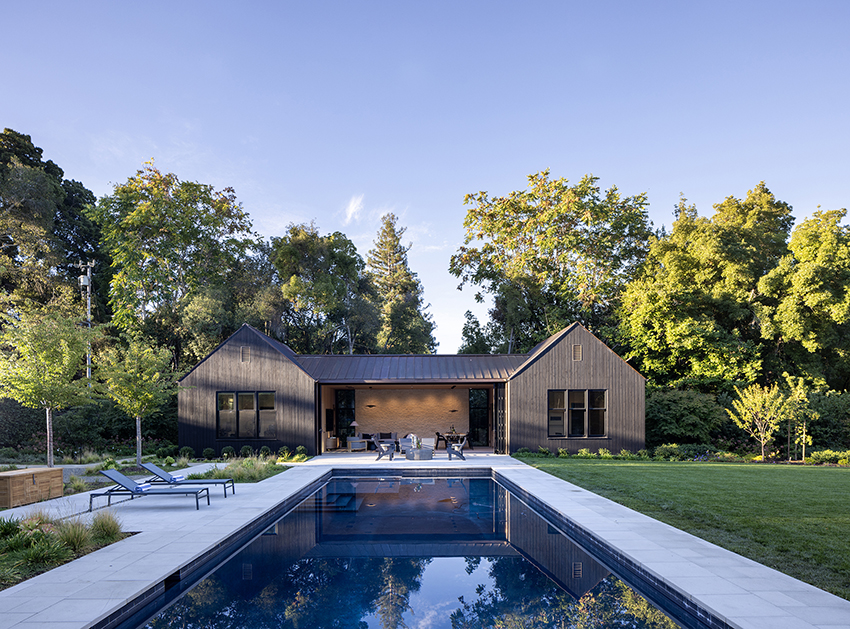
Moroso is an intentionally small, more intimate firm doing the most sophisticated, large-scale work in the San Francisco Bay Area high-end residential industry. We have a mature team of tried-and-true professionals who believe in our approach, are excited about the designs we build and are committed to delivering the best work. Ron and I prioritize our company’s culture and there is extremely low turnover on our staff. We are measured and only take on projects that we have room for in our pipeline and can deliver at our high standards; we don’t chase volume or wish to grow into a large entity.
All these business decisions and practices greatly reduce risk and unpredictability for our clients, support the health of our relationships and collaborations and help us recruit the best talent. Put simply, this outlook makes working with us more of sure thing—there is continuity in what clients and collaborators see at the beginning through to the end of each project. We don’t always get to share images of the projects we build with the world at large and would love to, but longstanding relationships, inspiring collaborations and being entrusted with fantastic projects year after year is evidence enough for us.

From your years of experience could you distill 3 components needed for a successful project?
Our first and foremost denominator of success is that our clients feel supported throughout the course of their projects. To ensure that a project is set-up for success we need to be brought in early enough in design development to be able to advise on means and methods, forecast challenges and set realistic expectations for the process, budget and schedule. We have found that our model of owner involvement, where either Ron or I provide leadership on every Moroso project, is essential to delivering on expectations. Internally we ensure success by focusing on fewer, larger projects, and by having a group of highly skilled, experienced builders on our team.
What do you think makes a successful client relationship?
Our best relationships with clients are ones where we are welcome to speak openly and honestly about how to get them the best result and the ownership trusts that the info they’re getting is accurate and advantageous. Owners who hire us for our experience and expertise and allow us to give them and their representatives the full benefit of that experience freely makes for a mutually successful relationship. This type of relationship also supports a good process, where the creativity, fluidity and flexibility that complex high-end residential projects require is supported, and the team is able to fine tune accordingly.
What are some considerations and characteristics of purely interior projects versus ground-up houses and exterior remodels? How can interior designers help set-up your projects for success?
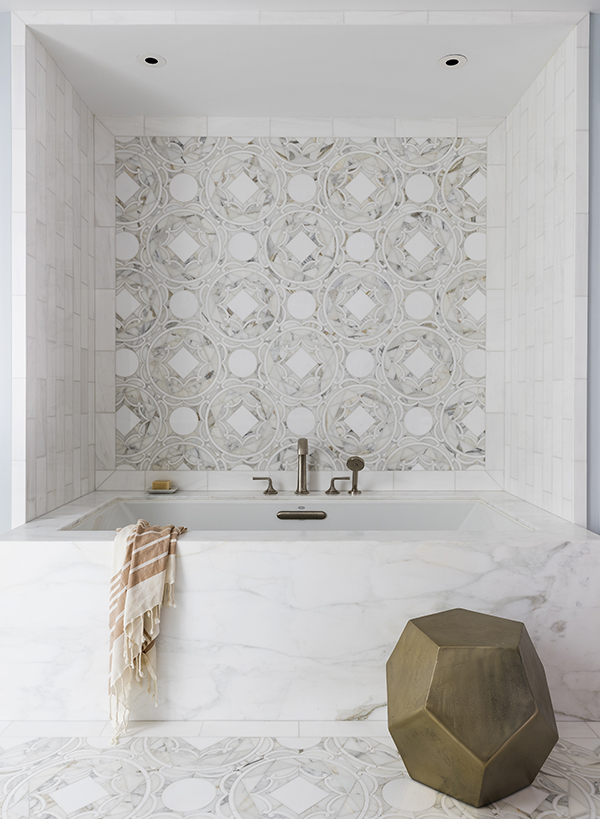
We often do projects that are solely interior design-led scopes and we very much enjoy the relationships and process of that type of work, be it a luxury San Francisco high-rise penthouse or an existing residence. The interior designers we collaborate with rely on our team’s ability to take concepts and execute them down to the finest detail. When all the project scope takes place inside a building’s shell the design needs to be completed before demolition starts, since we don’t have the phase of earthmoving, excavation or other in-ground work that we do on new ground-up houses and exterior additions/renovations.
We need to be involved early in order to support the design’s readiness and shepherd its execution smoothly from a preliminary level into construction documentation and through construction. This ‘runway of preconstruction’ enables the designer to benefit from the expertise of our team and subs, facilitates production of the necessary shop drawings, and ensures that any long lead time items, like windows, doors and cabinetry, are ordered well in advance and will arrive at the correct intervals to keep things on track. In short, setting the process up for efficiency from the earliest is especially key to a well-orchestrated interiors project.